
What is Pelvic Organ Prolapse?
Pelvic Organ Prolapse happens when the muscles and tissues in the pelvis become weak. As a result, organs like the bladder, uterus, or rectum may drop lower than usual. This condition is common in women, especially after childbirth or menopause. Pelvic Organ Prolapse can affect daily life, but help is available. Early care and support can make a big difference.
Common Symptoms and Causes
Many women notice changes in their body when they have Pelvic Organ Prolapse. For example, you may feel pressure or heaviness in your lower belly. Some women see or feel a bulge in the vagina. Others may have trouble with bladder or bowel control. In addition, pain during sex or back pain can occur.
Several things can cause Pelvic Organ Prolapse. Childbirth, especially with large babies or many births, is a main cause. Aging and menopause can weaken pelvic muscles. Heavy lifting, long-term coughing, or being overweight also add stress to the pelvic floor. Sometimes, family history plays a role.
Diagnosis and When to Seek Help
It is important to see a doctor if you notice symptoms of Pelvic Organ Prolapse. Early diagnosis helps prevent problems from getting worse. Your doctor will ask about your symptoms and do a gentle exam. Sometimes, they may suggest tests to check how well your bladder or bowels work.
If you feel a bulge, have pain, or trouble with bladder or bowel control, seek help soon. Even mild symptoms should be checked. Early care can help you recover faster and avoid surgery.
How Physiotherapy Supports Recovery
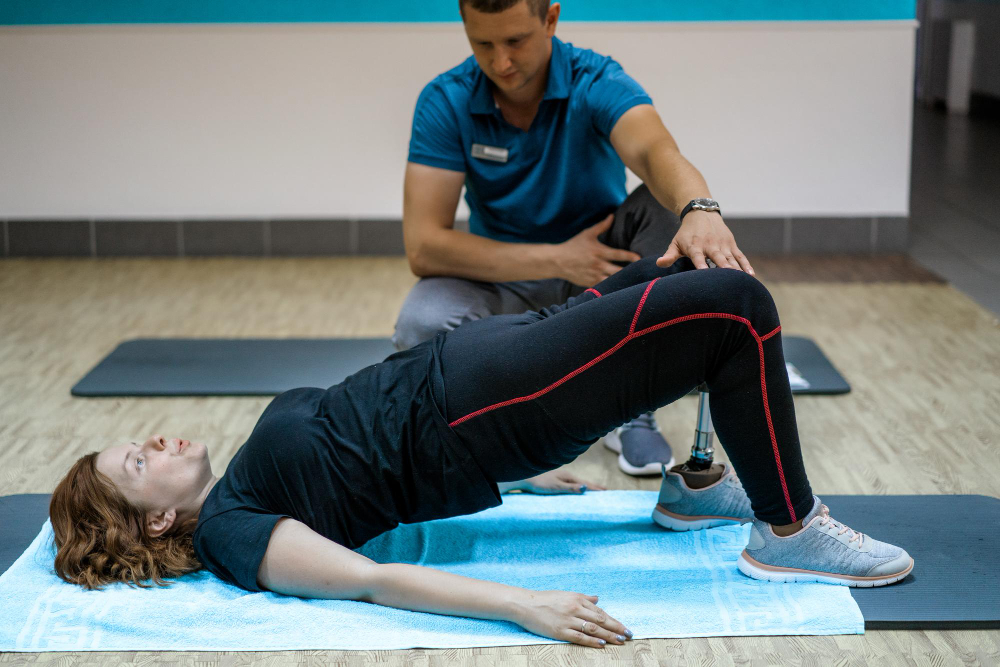
Physiotherapy for women’s health is a safe and effective way to manage Pelvic Organ Prolapse. Specially trained physiotherapists teach you how to strengthen your pelvic floor muscles. These muscles support your bladder, uterus, and bowel. With the right exercises, you can reduce symptoms and improve your quality of life.
Moreover, pelvic floor physiotherapy can help you avoid surgery in many cases. It also lowers the risk of prolapse coming back after treatment. Physiotherapists guide you step by step, making sure you do each exercise correctly. They also give advice on safe movement and daily habits.
Key Physiotherapy Techniques for Pelvic Organ Prolapse
There are several proven techniques that physiotherapists use to help with Pelvic Organ Prolapse recovery. For example, they may teach you:
With regular practice, these techniques can ease symptoms and support long-term recovery. According to the World Health Organization and recent studies, pelvic floor exercises are safe and effective for most women.
Lifestyle Tips and Prevention
In addition to physiotherapy, simple lifestyle changes can help prevent Pelvic Organ Prolapse or stop it from getting worse. For instance, you can:
These steps support your recovery and protect your pelvic health over time.
Frequently Asked Questions
Can Pelvic Organ Prolapse go away on its own?
In mild cases, symptoms may improve with exercises and lifestyle changes. However, most cases need ongoing care.
Is physiotherapy safe for everyone?
Yes, pelvic floor physiotherapy is safe for most women. Still, always check with your doctor before starting any new program.
How long does recovery take?
Recovery time varies. Some women feel better in a few weeks, while others need several months. Regular practice of pelvic floor exercises helps speed up recovery.
Where can I find help?
You can search for physiotherapy clinics near you or ask your doctor for a referral to a women’s health physiotherapist.
Conclusion
Pelvic Organ Prolapse can affect your comfort and daily life. However, with the right support, you can manage symptoms and recover well. Physiotherapy for women’s health offers safe, proven ways to strengthen your pelvic floor and improve your well-being. For best results, consult Dr. Ravali for personalized pelvic organ prolapse recovery guidance.