
Introduction
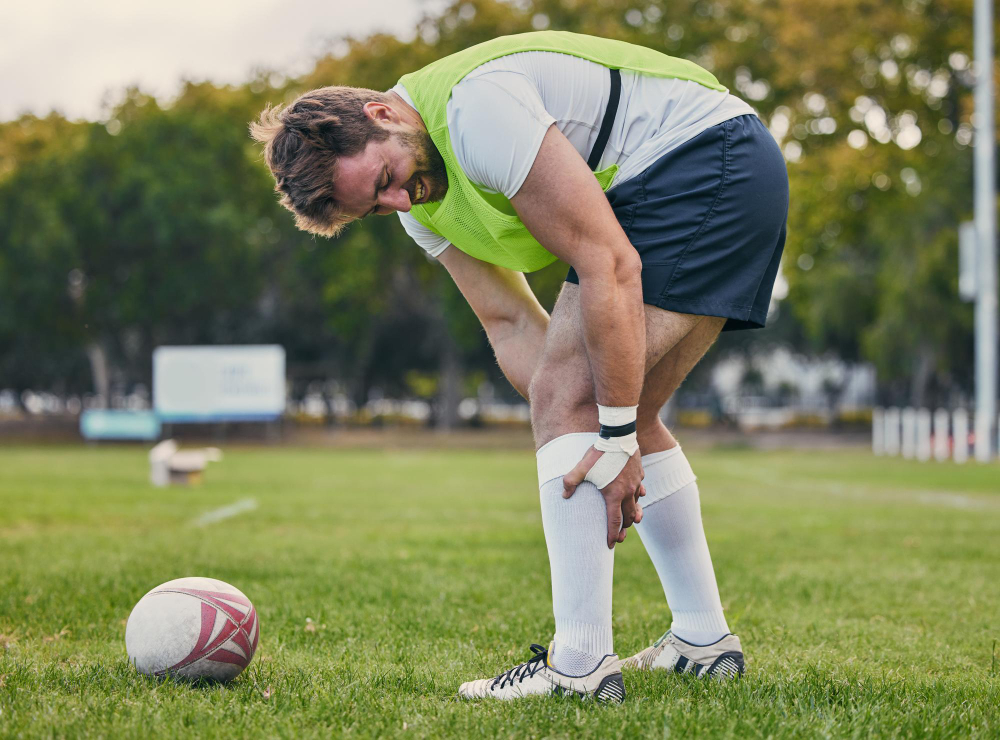
Hamstring injuries are common among athletes and active people. A hamstring injury happens when the muscles at the back of your thigh get stretched or torn. Because these muscles help you run, jump, and bend your knee, a strain can make sports difficult. However, returning safely to sports after a hamstring muscle strain is important. If you rush back too soon, you may get hurt again. This blog will guide you through symptoms, treatment, and safe steps for recovery.
What is a Hamstring Injury?
The hamstring is a group of three muscles at the back of your thigh. These muscles help you bend your knee and move your leg backward. A hamstring injury, also called a muscle strain, happens when one or more of these muscles get stretched too far or torn. Often, this injury occurs during sports that involve running or sudden stops, such as soccer or basketball. Sometimes, even simple activities can cause a strain if the muscles are tight or weak.
Common Symptoms and Causes
After a hamstring injury, you may notice several symptoms. For example, you might feel sudden pain at the back of your thigh. In some cases, you may hear a pop or snap. Other common signs include:
Hamstring injuries often happen because of:
Therefore, knowing the causes can help you avoid future injuries.
Diagnosis and Assessment
If you think you have a hamstring injury, it is important to get a proper diagnosis. First, a doctor or physiotherapist will ask about your symptoms and how the injury happened. Next, they may check your leg for swelling, bruising, or tenderness. Sometimes, they will ask you to move your leg to see how much it hurts. In some cases, they may order an ultrasound or MRI scan. These tests help show how serious the muscle strain is. Early diagnosis can help you start the right treatment and avoid long-term problems.
Treatment Options and Rehabilitation
Treating a hamstring injury usually starts with simple steps. Right after the injury, you should:
After a few days, gentle stretching and movement can help. However, you should avoid any activity that causes pain. As you heal, a physiotherapist can guide you through exercises to build strength and flexibility. These may include:
Gradually, you can return to normal activities. But, always follow your physiotherapist’s advice to prevent setbacks.
Safe Steps for Returning to Sports
Returning to sports after a hamstring strain should be slow and careful. If you rush, you risk another injury. To return safely, follow these steps:
Additionally, listen to your body. If you feel pain or tightness, stop and rest. Many physiotherapy clinics near you offer return-to-sport programs for safe recovery.
Prevention Tips for Future Injuries
Preventing another hamstring injury is possible with a few simple steps. For example, you can:
By following these tips, you can lower your risk of muscle strain and stay active longer.
When to Consult a Physiotherapist
Sometimes, a hamstring injury needs expert care. You should see a physiotherapist if:
Physiotherapists can create a recovery plan just for you. They use proven methods to help you heal and avoid future problems. According to the CDC and sports medicine experts, early rehab leads to better results.
Conclusion
In summary, a hamstring injury can be painful, but with the right care, you can return safely to sports. Always follow treatment steps, listen to your body, and use prevention tips. For the best results, consult Dr. Ravali for personalized recovery advice.