
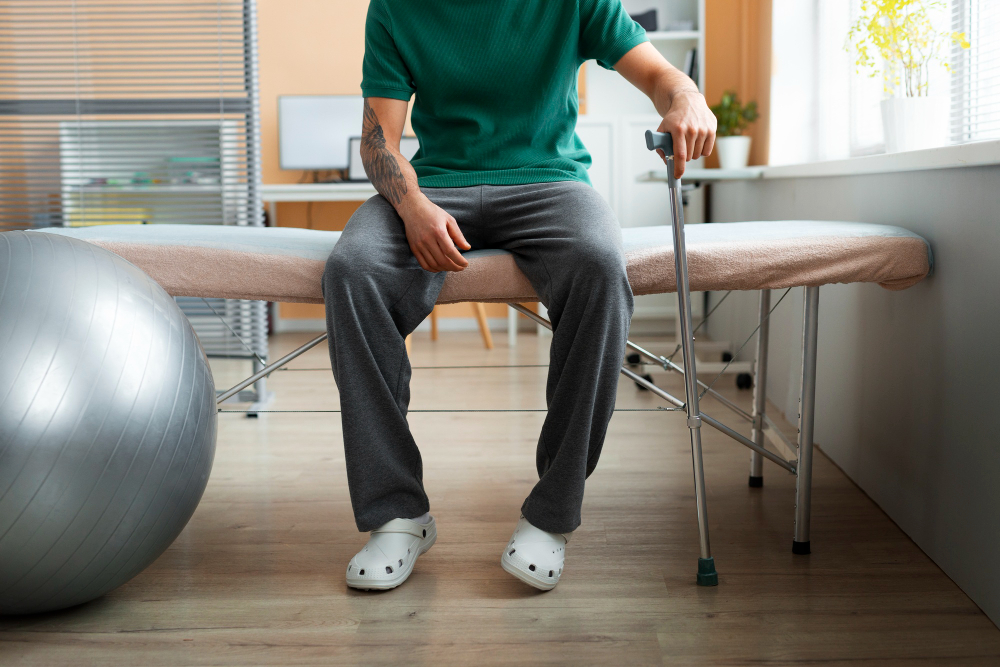
What is Knee Replacement Rehab?
Knee replacement rehab is a set of steps and exercises that help you recover after knee surgery. After a knee replacement, your body needs time and support to heal. For this reason, rehab is important for regaining strength and movement. In many cases, a physical therapist guides you through the process. They help you learn safe ways to move and walk again. Usually, rehab starts soon after surgery and continues for several weeks. The goal is to help you return to daily activities with less pain and better mobility.
Common Symptoms and Challenges After Knee Replacement
After knee replacement surgery, you may notice several symptoms. While some are normal, others may need attention. For example, you might feel:
However, most symptoms improve with time and proper rehab. Sometimes, you may face challenges like trouble sleeping or feeling tired. But with support and regular exercises, these issues often get better.
Key Steps in Knee Replacement Rehabilitation
Rehab after knee replacement follows a step-by-step plan. Each step builds on the last. As you move through rehab, you will notice steady progress. Here are the main steps:
Step by step, your physical therapist will adjust your rehab plan based on your progress.
Physical Therapy Techniques for Better Mobility
Physical therapy is a key part of knee replacement rehab. For better mobility, therapists use different techniques. Some common methods include:
In many clinics, therapists also use special tools or machines. For example, they may use stationary bikes or resistance bands. These tools help you move safely and build strength.
Home Exercises and Lifestyle Tips
Even after leaving the hospital, you need to keep moving. Home exercises are important for recovery. For best results, follow your therapist’s advice. Some helpful exercises include:
Additionally, make healthy choices every day. For example, eat balanced meals and stay hydrated. Avoid sitting for long periods. Instead, try to move around your home often. If you live in a city like Dallas or Houston, ask your local rehab center for support groups or extra help.
Preventing Complications During Rehab
While most people recover well, it is important to watch for problems. For example, infection or blood clots can happen after surgery. To lower your risk, follow these tips:
According to the CDC, early movement and following rehab plans help prevent most complications.
When to Seek Medical Advice
Sometimes, you may need extra help during knee replacement rehab. Contact your doctor if you notice:
Early action can prevent serious problems. If you have any concerns, do not wait to reach out to your care team.