
Parkinson’s disease is a long-term brain condition that affects movement. Many people notice shaking, slow movement, or stiffness. Because of these changes, daily tasks can become hard. However, Parkinson’s Disease Rehabilitation: Benefits of Physiotherapy for Better Mobility and Function is a key topic for those seeking better quality of life. Physiotherapy uses special exercises and movements to help people with Parkinson’s disease stay active and safe. In this blog, you will learn how physiotherapy can make a real difference.
What Is Parkinson’s Disease?
First, it helps to know what Parkinson’s disease is. Parkinson’s disease is a disorder that affects the brain. It mainly impacts how the body moves. According to the World Health Organization, Parkinson’s disease is one of the most common movement disorders worldwide. Usually, it develops slowly over time. People may notice symptoms such as:
Although the exact cause is not always clear, it happens when certain brain cells stop working properly. As a result, the brain cannot control movement as well as before.
How Parkinson’s Disease Affects Mobility and Function
Because Parkinson’s disease affects the brain’s control over muscles, it can make moving around harder. For example, people may find it tough to walk, stand, or get out of a chair. Over time, these problems can affect daily life. In addition, some people may have trouble with balance, which raises the risk of falls. Everyday tasks like dressing, eating, or writing can also become more difficult. Therefore, improving mobility in Parkinson’s is very important for staying independent.
The Role of Physiotherapy in Parkinson’s Disease Rehabilitation
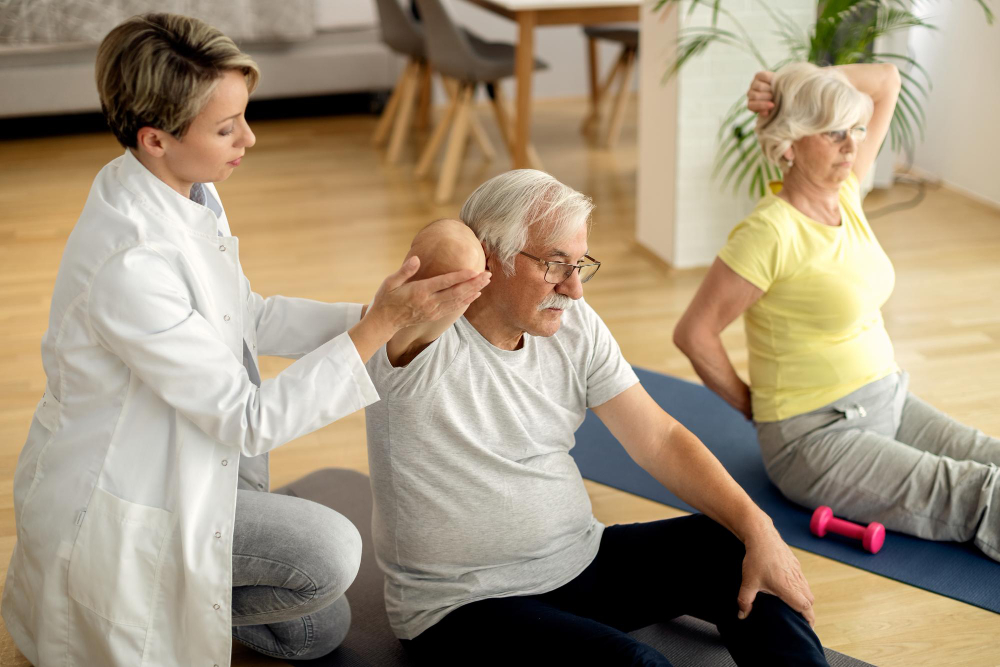
Physiotherapy is a type of treatment that uses movement and exercise to help the body work better. In Parkinson’s Disease Rehabilitation, physiotherapy helps people keep their strength, balance, and flexibility. For instance, a physiotherapist will design a plan that fits each person’s needs. This plan may include exercises, stretches, and tips for moving safely. As a result, many people with Parkinson’s disease find they can move more easily and safely with regular physiotherapy.
Key Benefits of Physiotherapy for People with Parkinson’s Disease
Physiotherapy offers many benefits for people living with Parkinson’s disease. Not only does it help with movement, but it can also boost confidence. Some key benefits include:
Moreover, studies from the CDC and medical journals show that regular physiotherapy can slow down the loss of function. This means people can enjoy a better quality of life for longer.
Common Physiotherapy Techniques Used in Parkinson’s Disease
Physiotherapists use many techniques to help people with Parkinson’s disease. For example, they may teach exercises that focus on balance and walking. Some common rehabilitation exercises for Parkinson’s disease include:
Additionally, physiotherapists may use cues, like counting or clapping, to help start movements. These simple tricks can make moving easier and safer.
Tips for Maximizing Mobility and Function at Home
Even at home, there are ways to keep moving and stay safe. For instance, making small changes can help prevent falls and make daily life easier. Try these tips:
Furthermore, staying active with hobbies like dancing or walking can help maintain strength. Always talk to your healthcare team before starting new activities.
Prevention of Complications Through Physiotherapy
Because Parkinson’s disease can lead to falls, injuries, and loss of independence, preventing these problems is important. Physiotherapy helps by teaching safe ways to move and exercise. As a result, people can avoid many common complications. For example, regular physiotherapy can help prevent:
With the right support, people with Parkinson’s disease can stay active and enjoy a better quality of life.