What Is Stroke Rehabilitation?
Stroke rehabilitation is a set of treatments that help people recover after a stroke. A stroke happens when blood flow to the brain stops. This can cause problems with movement, speech, or thinking. During stroke rehabilitation, a team of health experts works with each person. Often, physiotherapy is a key part of this care. According to the World Health Organization (WHO), early rehab can improve recovery and quality of life.
Common Effects of Stroke on Movement and Independence
After a stroke, many people face new challenges. For example, they may find it hard to move one side of the body. Sometimes, walking or using the hands becomes difficult. As a result, daily tasks like dressing or eating may take longer. In some cases, balance and coordination are also affected. Because of these changes, many people need help to stay independent.
How Physiotherapy Supports Recovery After Stroke
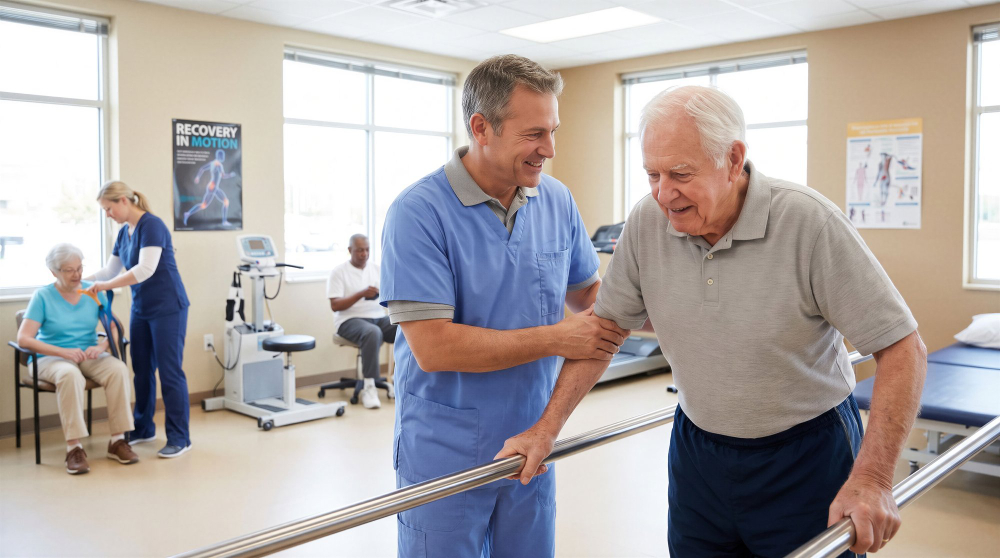
Physiotherapy for stroke patients focuses on helping the body relearn lost skills. For instance, therapists use special exercises to improve strength and movement. In addition, they teach safe ways to move and prevent falls. Because every stroke is different, treatment plans are made for each person. The American Stroke Association notes that early physiotherapy can lead to better outcomes. With support, many people start regaining movement after stroke and become more independent.
Key Physiotherapy Techniques Used in Stroke Rehabilitation
Physiotherapists use many proven methods to help with stroke recovery. These techniques target different problems caused by stroke. For example, some focus on building strength, while others help with balance or walking.
Because each person is unique, therapists choose the best mix of techniques for their needs.
Setting Realistic Goals and Measuring Progress
During stroke rehabilitation, setting clear goals helps guide recovery. For example, a goal might be walking across a room or dressing without help. Therapists work with patients and families to set these targets. As progress is made, goals can be updated. Measuring progress is important because it shows what is working. It also helps keep everyone motivated. The Centers for Disease Control and Prevention (CDC) recommends regular check-ins to track changes.
Tips for Supporting Recovery at Home
Home support is a key part of stroke rehabilitation. Even simple changes can make a big difference. For example, keeping walkways clear helps prevent falls. In addition, daily routines should include stroke recovery exercises. Family and friends can help by offering encouragement and reminders. If you are in a city with local stroke rehabilitation services, ask your care team for home program ideas.
Preventing Complications and Promoting Long-Term Independence
After a stroke, it is important to prevent new problems. For instance, moving often can lower the risk of blood clots. Good skin care helps avoid sores. Eating healthy foods and staying active support recovery. Over time, regular physiotherapy and safe habits can help people keep their independence. According to peer-reviewed studies, ongoing support and exercise lower the risk of another stroke. Because every journey is different, staying positive and asking for help when needed is key.
Conclusion
If you or a loved one is recovering from a stroke, DR. Ravali is here to help. Book a consultation today to learn how our team can support your journey to better movement and independence.