Introduction
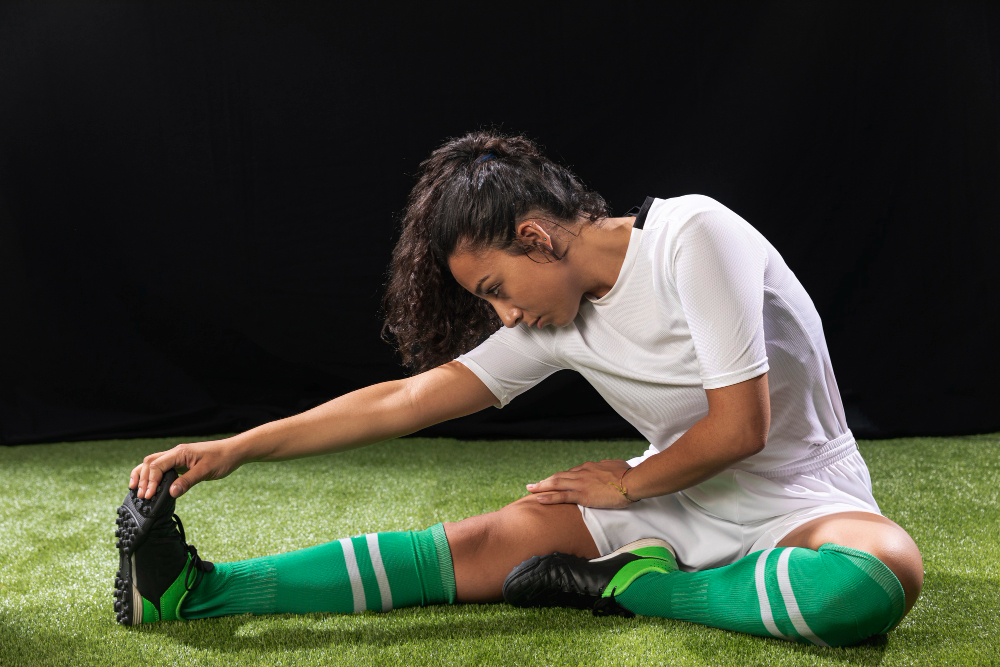
Muscle cramps in athletes are sudden, painful muscle contractions. These cramps can stop athletes from playing or training. Because they are common, understanding muscle cramps is important for anyone who plays sports. Muscle cramps can affect performance and even lead to injuries. Therefore, knowing the causes and solutions can help athletes stay healthy and active.
Common Symptoms of Muscle Cramps
Muscle cramps often appear without warning. Usually, they cause sharp pain in the affected muscle. Sometimes, you may also notice:
In many cases, cramps go away on their own. However, they can return if the cause is not treated.
Main Causes of Muscle Cramps in Athletes
There are several reasons why athletes get muscle cramps. Often, these include:
According to the CDC, dehydration and overuse are leading causes of cramps in athletes.
Diagnosis: How Muscle Cramps Are Identified
Doctors and physiotherapists usually diagnose muscle cramps by asking about your symptoms and activity. Sometimes, they may check your muscle strength and flexibility. In rare cases, blood tests may be done to check for low minerals. Usually, no special tests are needed unless cramps are severe or frequent.
Physiotherapy Solutions and Treatments
Physiotherapy for muscle cramps can help reduce pain and prevent future cramps. Some common treatments include:
In addition, physiotherapy clinics in your area may offer personalized treatment plans. These plans are based on your needs and sports activities.
Prevention Tips and Lifestyle Guidance
Preventing cramps during sports is possible with a few simple steps. For best results, try these tips:
Also, listen to your body. If you feel tired, rest to avoid overuse.
When to Seek Medical Help
Most muscle cramps are not serious. However, you should see a doctor if:
Sometimes, frequent cramps can signal other health problems. Therefore, getting checked by a healthcare provider is important.
Conclusion and Call-to-Action
In summary, muscle cramps in athletes are common but can be managed. With the right care, most cramps improve quickly. Physiotherapy for muscle cramps offers safe and effective solutions. If you have frequent or severe cramps, consult a physiotherapist Dr. Ravali for personalized advice on managing muscle cramps.