
What Is Incontinence and Pelvic Health?
Incontinence means losing control over your bladder or bowels. Pelvic health refers to the strength and function of the muscles in your lower belly and pelvis. These muscles support your bladder, bowel, and reproductive organs. For many, incontinence and pelvic health beyond pregnancy are important topics. In fact, both men and women can face these issues at any age. Good pelvic health helps with bladder control, core stability for adults, and daily comfort.
Why Pelvic Health Matters Beyond Pregnancy
Many people think pelvic health only matters during or after pregnancy. However, that is not true. As we age, our pelvic muscles can weaken. This can lead to leaks, pain, or trouble with daily activities. Additionally, strong pelvic muscles help with posture and balance. Even if you have never been pregnant, you can benefit from pelvic floor strengthening after childbirth or at any stage of life.
Common Causes of Incontinence in Adults
There are many reasons adults may develop incontinence. Some common causes include:
Because these causes are common, it is important to know the signs early.
Signs and Symptoms to Watch For
Early signs of incontinence can be easy to miss. Still, noticing them helps you get help sooner. Watch for these symptoms:
If you notice any of these, you should talk to a healthcare provider.
Diagnosis: How Incontinence Is Identified
Doctors use several methods to diagnose incontinence. First, they ask about your symptoms and medical history. Next, they may do a physical exam. Sometimes, they use simple tests to check how well your bladder works. In some cases, you may need an ultrasound or urine test. According to the CDC, early diagnosis helps prevent further problems.
Effective Treatments and Physiotherapy Approaches
There are many ways to treat incontinence and improve pelvic health. Often, physiotherapy is the first step. A physiotherapist teaches you how to strengthen your pelvic floor muscles. Sometimes, medications or minor procedures are needed. However, most people see big improvements with exercises and lifestyle changes. The World Health Organization recommends early treatment for best results.
Pelvic Floor and Core Strengthening Exercises
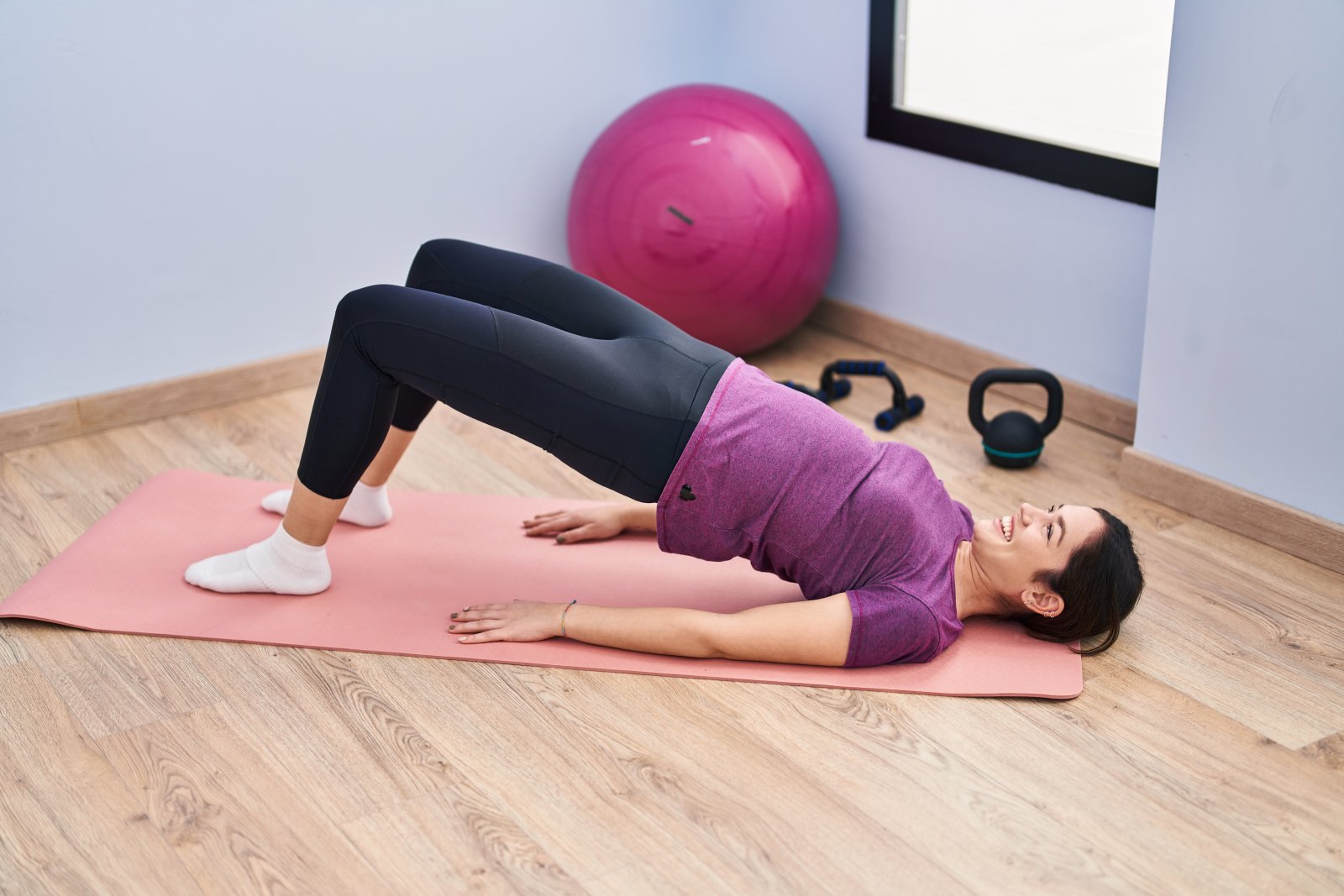
Regular exercises can help you regain bladder control and core stability. Try these simple moves:
For best results, do these exercises daily. Always use good form to avoid injury.
Lifestyle Tips for Better Bladder Control
Besides exercises, small changes can help manage incontinence. Consider these tips:
These habits can make a big difference in daily life.
Prevention: How to Maintain Pelvic Health
Even if you do not have symptoms, you can protect your pelvic health. For example, keep your pelvic muscles strong with regular exercise. Also, avoid lifting heavy objects the wrong way. If you have a cough, treat it early. Moreover, stay active and eat a balanced diet. Prevention is easier than treatment.
When to See a Specialist
If you notice leaks, pain, or changes in bladder habits, do not wait. Sometimes, these signs point to bigger health issues. Therefore, see a physiotherapist or pelvic health specialist if symptoms last more than a few weeks. Early help leads to better results. Local clinics and hospitals often have trained experts who can guide you.
Consult Dr Ravali a physiotherapist or pelvic health specialist for personalized guidance.