
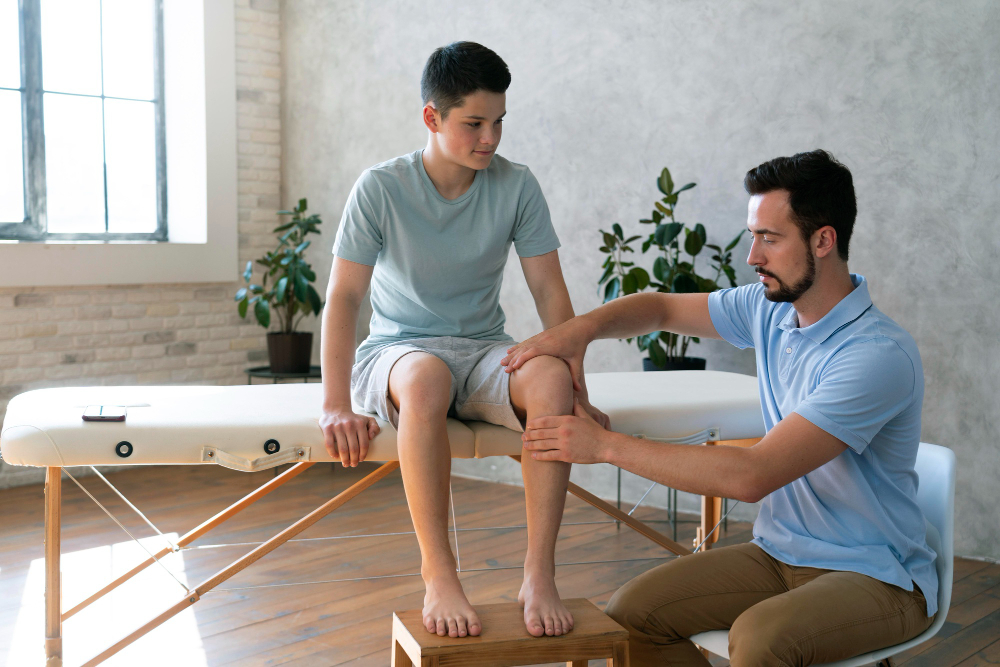
Introduction to Knee Ligament Injuries
Knee ligament injuries are common, especially among athletes and active people. These injuries can happen during sports, falls, or sudden twists. Physical therapy for knee ligament injuries is often a key part of recovery. The knee has four main ligaments: ACL, PCL, MCL, and LCL. Each helps keep the knee stable. When any of these ligaments are stretched or torn, pain and swelling can follow. Sometimes, you may hear a pop or feel your knee give out. According to the CDC, knee injuries are a leading cause of missed sports time. Early care and proper treatment can help you heal faster.
Role and Benefits of Physical Therapy
Physical therapy plays a big role in healing knee ligament injuries. It helps restore movement, strength, and balance. For many people, therapy can prevent the need for surgery. Even after surgery, physical therapy speeds up recovery. Here are some key benefits:
Moreover, the World Health Organization notes that early rehabilitation for knee ligaments leads to better long-term outcomes. Physical therapists guide you through safe exercises and monitor your progress.
Common Physical Therapy Techniques for Knee Ligament Injuries
Physical therapists use many techniques to help your knee heal. Each plan is tailored to your injury and needs. Some common physiotherapy exercises for knee injury include:
For example, you may start with gentle stretches and progress to more active exercises. Your therapist will adjust your plan as you heal. According to PubMed studies, these techniques help speed up knee ligament recovery and reduce the risk of re-injury.
What to Expect During Rehabilitation
During rehabilitation for knee ligaments, you will work closely with your therapist. At first, you may focus on reducing pain and swelling. Next, you will start gentle movements to keep your knee flexible. Over time, you will add strength and balance exercises. Each session may last 30 to 60 minutes. Your therapist will check your progress and change your plan as needed. Most people need several weeks or months of therapy. However, every injury is different. With regular sessions and home exercises, you can expect steady improvement. Remember, following your therapist’s advice is key to a full recovery.
Tips for Safe Recovery and Prevention
Safe recovery is important for long-term knee health. Here are some knee ligament recovery tips:
Additionally, always listen to your body. If you feel pain or discomfort, stop and talk to your therapist. Prevention is also key. Good technique and regular exercise can lower your risk of future injuries.
When to Consult a Physical Therapist
If you have knee pain, swelling, or trouble moving your knee, it is wise to see a physical therapist. Early care can prevent problems from getting worse. You should also consult a therapist if you have had knee surgery or a recent injury. They can create a plan that fits your needs and goals. According to the American Physical Therapy Association, early therapy leads to better outcomes and faster healing. Do not wait if you notice symptoms. Prompt care makes a big difference.
In summary, physical therapy for knee ligament injuries offers many benefits. It helps you heal, regain strength, and prevent future problems. For the best results, consult Dr. Ravali for personalized recovery advice.