
Introduction
After surgery, many people notice tightness or stiffness near their incision. This is often due to post-surgical scar tissue. Scar tissue forms as your body heals. However, it can sometimes limit movement. Soft tissue mobilization is a gentle hands-on therapy. It helps break down scar tissue and improve flexibility after surgery. In this blog, you will learn what scar tissue is, how it affects your body, and how soft tissue mobilization can help. This information is useful for anyone recovering from surgery and looking to regain movement.
What Is Post-Surgical Scar Tissue?
Scar tissue is your body’s way of healing after an injury or surgery. When your skin or muscles are cut, your body creates new tissue to close the wound. This new tissue is called scar tissue. Unlike normal skin, scar tissue is less flexible. It can feel thick or hard. Over time, too much scar tissue can build up. This may cause tightness or pain near the surgical area. According to the World Health Organization (WHO), scar tissue is a normal part of healing, but sometimes it needs extra care.
How Scar Tissue Affects Flexibility
Scar tissue can limit how much you can move a joint or muscle. For example, after knee surgery, you might find it hard to bend your leg. This happens because scar tissue is not as stretchy as healthy tissue. As a result, you may feel stiff or sore. In some cases, scar tissue can even stick to nearby muscles or nerves. This can make movement painful. Therefore, managing scar tissue is important for improving flexibility after surgery.
What Is Soft Tissue Mobilization?
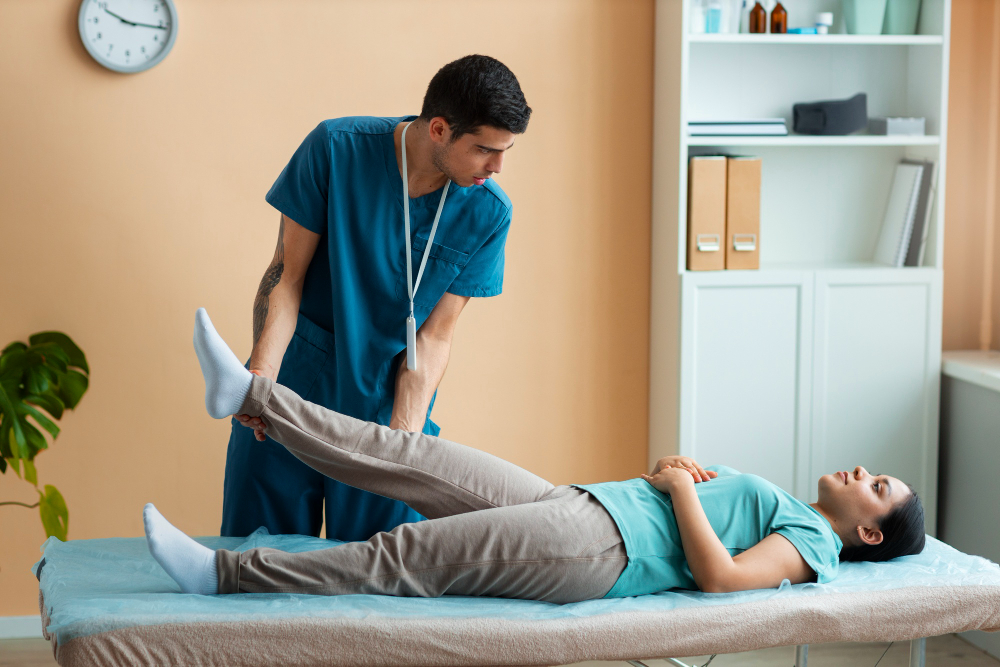
Soft tissue mobilization is a type of manual therapy. A trained professional, such as a physiotherapist, uses their hands to gently move and stretch the skin, muscles, and scar tissue. The goal is to break up tight areas and help the tissue move better. This therapy is safe and often used in scar tissue management. It is also a common part of physiotherapy for post-surgical scars. Many physiotherapy clinics near you offer this service.
Benefits of Soft Tissue Mobilization After Surgery
There are many benefits to using soft tissue mobilization after surgery. Some of the main benefits include:
According to studies published in medical journals, soft tissue mobilization can help people return to normal activities faster. It is a key part of many recovery plans.
Step-by-Step: How Soft Tissue Mobilization Works
Soft tissue mobilization is usually done by a licensed physiotherapist. Here is how the process often works:
During treatment, you may feel mild discomfort, but it should not be painful. Always let your therapist know if you feel too much pain.
Safety Tips and When to Seek Professional Help
While soft tissue mobilization is safe for most people, there are some important safety tips to follow:
If you have other health problems, such as diabetes or poor circulation, talk to your doctor before starting any new therapy. Sometimes, scar tissue can cause nerve pain or limit movement a lot. In these cases, professional help is needed.
Prevention and Home Care Tips
There are steps you can take at home to help prevent too much scar tissue and keep your body flexible:
However, if you notice your scar is getting thicker or you feel more pain, seek advice from a healthcare professional. Early care can make a big difference in your recovery.
Conclusion
In summary, post-surgical scar tissue can limit movement and cause discomfort. Soft tissue mobilization is a safe and effective way to improve flexibility after surgery. It helps break down scar tissue and supports faster healing. For the best results, work with a licensed physiotherapist. To effectively manage post-surgical scar tissue and restore mobility, consult Ravali, licensed Physiotherapist, for tailored guidance and personalized treatment.