
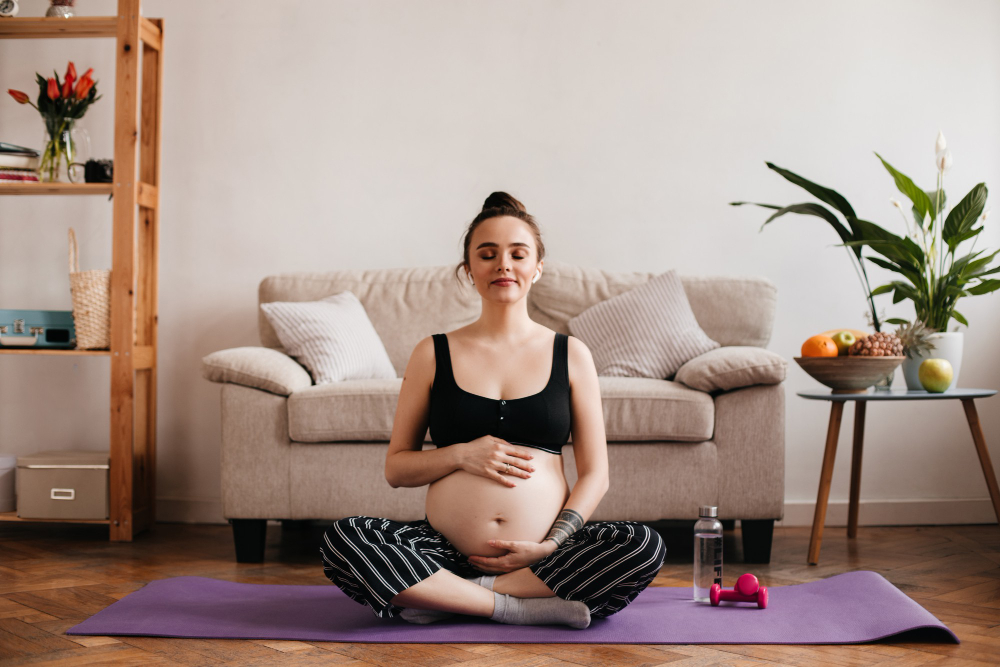
Introduction
Pregnancy brings many changes to your body. Antenatal exercise means staying active and doing safe workouts while pregnant. It is important for both you and your baby. In fact, antenatal exercise can help manage common pregnancy symptoms and boost your wellness. Many experts, including physiotherapists, recommend gentle movement during pregnancy. This guide will help you understand why exercise matters and how to do it safely.
Benefits of Antenatal Exercise
Staying active during pregnancy offers many health benefits. For example, it can help reduce back pain and swelling. It also improves sleep and mood. Moreover, regular exercise can lower the risk of gestational diabetes and high blood pressure. Here are some key benefits:
According to the World Health Organization (WHO), moderate exercise is safe for most pregnant women.
Safe Types of Exercises During Pregnancy
Not all exercises are safe during pregnancy. However, many gentle activities are both safe and helpful. Always choose exercises that do not put you at risk of falling. Here are some safe pregnancy workouts:
Before starting any new activity, talk to your doctor or physiotherapist. They can help you choose the best exercises for your needs.
Precautions and Contraindications
While exercise is good, some situations need extra care. For instance, avoid high-impact sports or activities with a risk of falling. You should also stop exercising and seek help if you feel:
Some women should not exercise due to certain health conditions. These include heart problems, severe anemia, or a history of preterm labor. Always check with your healthcare provider before starting an antenatal exercise routine.
How to Start an Antenatal Exercise Routine
Starting a new routine can feel hard, but small steps help. First, begin with short sessions, such as 10 to 15 minutes a day. Gradually increase to 30 minutes most days of the week. Here are some tips to get started:
Remember, every pregnancy is unique. Therefore, your routine should match your comfort and health needs.
Lifestyle Tips for Pregnancy Wellness
Besides exercise, healthy habits support your pregnancy wellness. For example, eating balanced meals gives you and your baby the nutrients you need. Here are more tips:
These habits, along with antenatal exercise, help prevent common pregnancy discomforts and complications.
When to Consult a Physiotherapist
Sometimes, you may need expert help. For instance, if you have pain, weakness, or trouble moving, a physiotherapist can help. They can design a safe exercise plan just for you. In addition, physiotherapy during pregnancy can help manage back pain, pelvic pain, or swelling. If you have a high-risk pregnancy, always work with your healthcare team before starting any exercise.
Conclusion and Call-to-Action
In summary, antenatal exercise is a key part of pregnancy wellness. It helps manage symptoms, supports your health, and prepares you for birth. However, always choose safe activities and listen to your body. For the best results, consult Dr. Ravali for personalized antenatal exercise guidance.