
Introduction: Why Sitting Posture Matters
Posture means how you hold your body when you sit, stand, or move. Good posture keeps your bones and muscles in the right place. Posture Check: Are You Sitting Correctly? This is an important question for everyone. Many people spend hours sitting at desks, in cars, or on the couch. However, poor sitting posture can lead to pain and health problems. Sitting correctly helps you feel better and stay healthy.
What is Good Sitting Posture?
Good sitting posture means your body is balanced and relaxed. It also means your back, neck, and shoulders are in line. When you sit well, you put less stress on your muscles and joints. Here are signs of good sitting posture:
For example, your ears should be in line with your shoulders. This helps keep your spine healthy.
Common Signs of Poor Sitting Posture
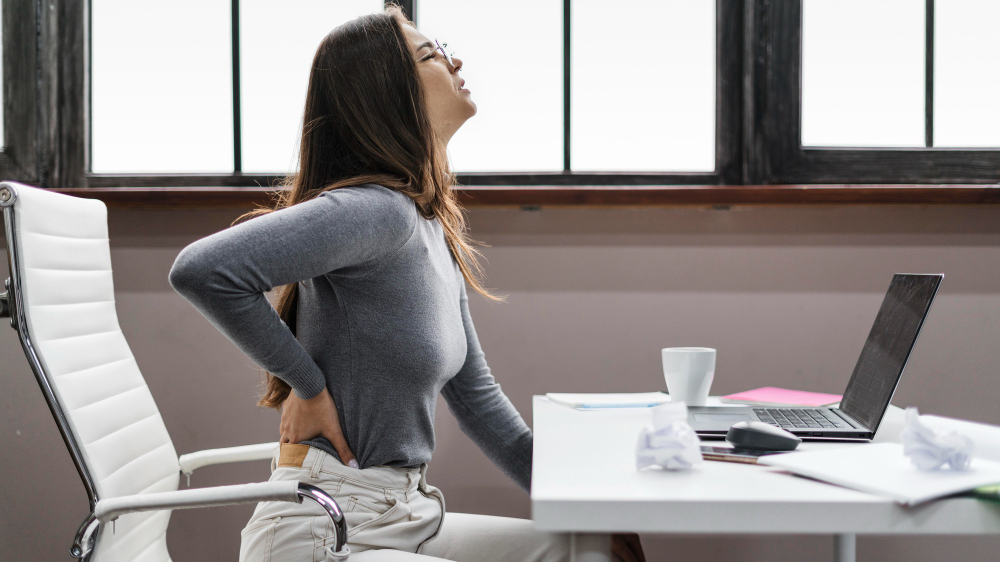
Many people do not notice their posture until they feel pain. Still, there are some clear signs of poor sitting posture:
Often, these signs get worse over time. But with small changes, you can improve your posture.
Health Risks of Incorrect Sitting
Incorrect sitting posture can cause many health problems. Over time, it can lead to:
According to the World Health Organization (WHO), sitting for long periods with poor posture can also raise your risk of heart disease. Therefore, it is important to check your posture often.
How to Check Your Sitting Posture
Checking your posture is easy. First, sit in your chair as you normally do. Next, follow these steps:
If you notice slouching or leaning, adjust your position. With practice, good posture will feel natural.
Tips to Improve Sitting Posture
Improving your sitting posture does not have to be hard. Here are some easy tips:
Additionally, set reminders to check your posture during the day. Small changes can make a big difference.
Simple Desk Exercises and Stretches
Even at your desk, you can do simple exercises to help your posture. For example:
Try these stretches every hour. They help reduce tension and keep your muscles strong.
Prevention: Setting Up an Ergonomic Workspace
Setting up your workspace can prevent posture problems. Here are some ergonomic tips:
Furthermore, keep items you use often within easy reach. This helps you avoid twisting or reaching too far.
Conclusion: Take Action for Better Posture
In summary, good sitting posture is key for your health. Regular posture checks and small changes can prevent pain and problems. If you have ongoing pain or concerns, consult Dr. Ravali for personalized posture assessment and guidance.