What is Diastasis Recti?
Diastasis recti after pregnancy is a common condition. It happens when the muscles in the middle of your belly separate. This gap forms as your body makes room for your growing baby. As a result, you may notice a bulge or softness in your stomach area. While it can sound scary, it is usually treatable. Many women experience postpartum abdominal separation, especially after childbirth.
Symptoms and Signs After Pregnancy
After giving birth, you may notice some changes in your belly. However, not all changes mean you have diastasis recti. Look for these signs:
Sometimes, you may also feel discomfort or notice your stomach doming when you move. If you see these signs, it is important to check for diastasis recti.
Causes and Risk Factors
During pregnancy, your body stretches to support your baby. Because of this, the tissue between your abdominal muscles can thin and widen. Several factors increase your risk:
In addition, genetics may play a role. Some women are more likely to develop this condition due to their body type.
How to Self-Check and Professional Diagnosis
It is possible to check for diastasis recti at home. First, lie on your back with your knees bent. Next, place your fingers just above your belly button. Then, gently lift your head and shoulders off the floor, like a small crunch. If you feel a gap or your fingers sink in, you may have diastasis recti.
However, a healthcare provider or physiotherapist can confirm the diagnosis. They may use their hands or an ultrasound to measure the gap. Early diagnosis helps you start the right treatment.
Evidence-Based Treatment Options
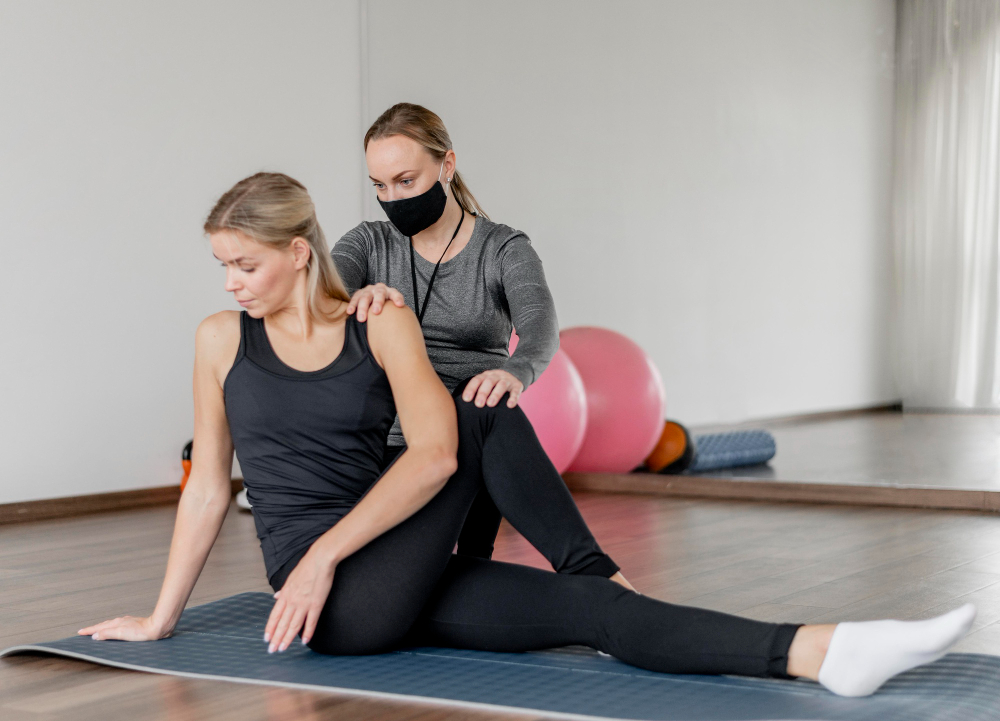
Most cases of diastasis recti after pregnancy improve with the right care. Physiotherapy for diastasis recti is often the first step. A trained physiotherapist can teach you safe exercises for diastasis recti. These exercises help strengthen your core and close the gap.
Common treatments include:
In rare cases, surgery may be needed. However, most women recover with non-surgical care. Always follow your physiotherapist’s advice for best results.
Lifestyle and Home Care Tips
While you heal, some simple steps can help. For example, avoid heavy lifting or straining your belly. Instead, use your legs to lift objects. In addition, practice good posture when sitting or standing. You can also try gentle walking or swimming, as these are safe for most women.
Other helpful tips include:
With these habits, you can support your recovery at home.
Prevention Strategies for New and Expecting Mothers
Although you cannot always prevent diastasis recti, some steps may lower your risk. Before pregnancy, try to strengthen your core muscles. During pregnancy, avoid exercises that strain your belly, such as full sit-ups or crunches. Instead, focus on gentle core work and breathing exercises.
Other prevention tips include:
By taking care of your body, you can help protect your abdominal muscles.
When to Seek Medical Help
Most women heal well with time and care. However, you should see a healthcare provider if:
Sometimes, a doctor may suggest further treatment or refer you to a specialist. Early help can prevent long-term problems.
Conclusion
Diastasis recti after pregnancy is common, but you can recover. With the right exercises, support, and care, most women heal well. If you have concerns, consult Dr. Ravali for personalized guidance on diastasis recti recovery.