
Introduction to ACL and Meniscus Injuries
Knee injuries are common, especially among athletes and active people. Two of the most frequent knee injuries are to the ACL (anterior cruciate ligament) and the meniscus. ACL and Meniscus Injuries Rehabilitation is important for a full recovery. These injuries can cause pain, swelling, and trouble moving the knee. However, with the right care, many people return to their normal activities.
Common Symptoms and Signs
Recognizing symptoms early helps with faster recovery. Often, people notice problems soon after the injury. For example, you may feel a pop in your knee. Other signs include:
If you notice these symptoms, it is wise to seek medical advice. Early treatment can prevent further damage.
Causes and Risk Factors
Many things can lead to ACL or meniscus injuries. Most often, these injuries happen during sports or sudden movements. For instance, quick stops, jumps, or changes in direction can strain the knee. Other risk factors include:
Knowing these risks can help you take steps to protect your knees.
Diagnosis Methods
Doctors use several methods to diagnose ACL and meniscus injuries. First, they will ask about your symptoms and how the injury happened. Next, they will examine your knee for swelling, tenderness, and movement. Sometimes, special tests are needed. These may include:
Early and accurate diagnosis is key for the best recovery.
Rehabilitation and Physiotherapy Approaches
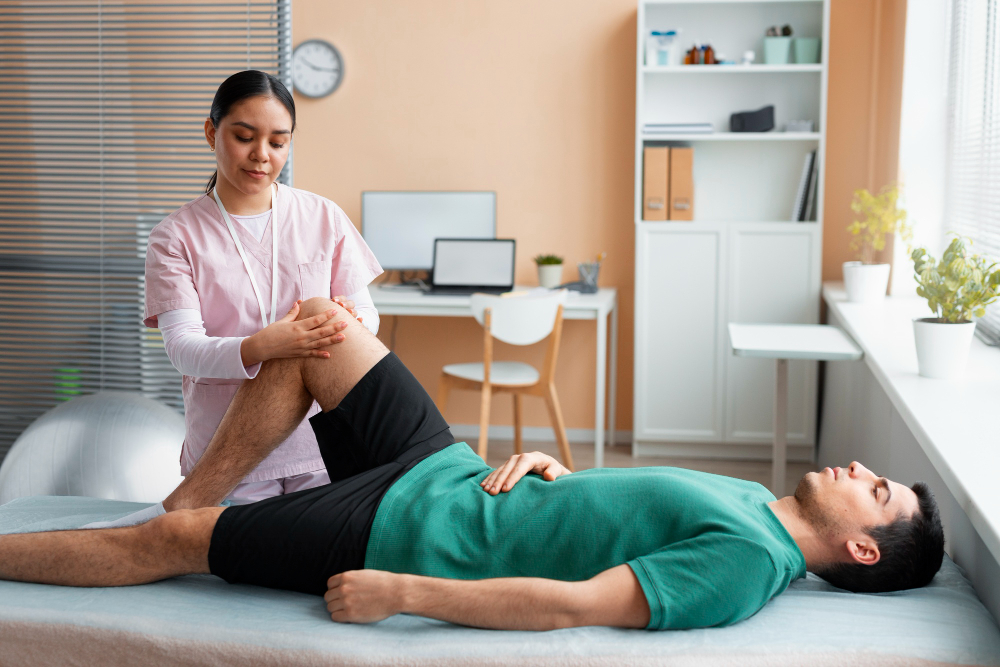
Rehabilitation is a vital part of ACL and Meniscus Injuries Rehabilitation. Physiotherapy for knee injuries helps restore strength and movement. Usually, a physiotherapist will create a plan just for you. This plan may include:
For example, ACL rehabilitation exercises often start with simple movements. Over time, you will add more challenging activities. Following your physiotherapist’s advice is important for safe recovery.
Home Care and Lifestyle Tips
In addition to therapy, home care can speed up healing. For instance, you can:
Moreover, eating a healthy diet and staying hydrated can help your body heal. Always listen to your body and avoid pushing through pain.
Prevention Strategies
While not all injuries can be avoided, you can lower your risk. For example, try these knee injury rehab tips:
With these steps, you can protect your knees and stay active.
When to Consult a Specialist
If your knee pain or swelling does not improve, it is time to see a specialist. Also, if you cannot move your knee or it feels unstable, seek help. Early care from a doctor or physiotherapist can prevent long-term problems. Local physiotherapy services can guide you through ACL and Meniscus Injuries Rehabilitation for the best results.
Conclusion
In summary, ACL and meniscus injuries can be managed with the right care. Early diagnosis, proper rehabilitation, and healthy habits are key. For the best recovery, consult Dr. Ravali, a physiotherapist, for personalized rehabilitation guidance.