
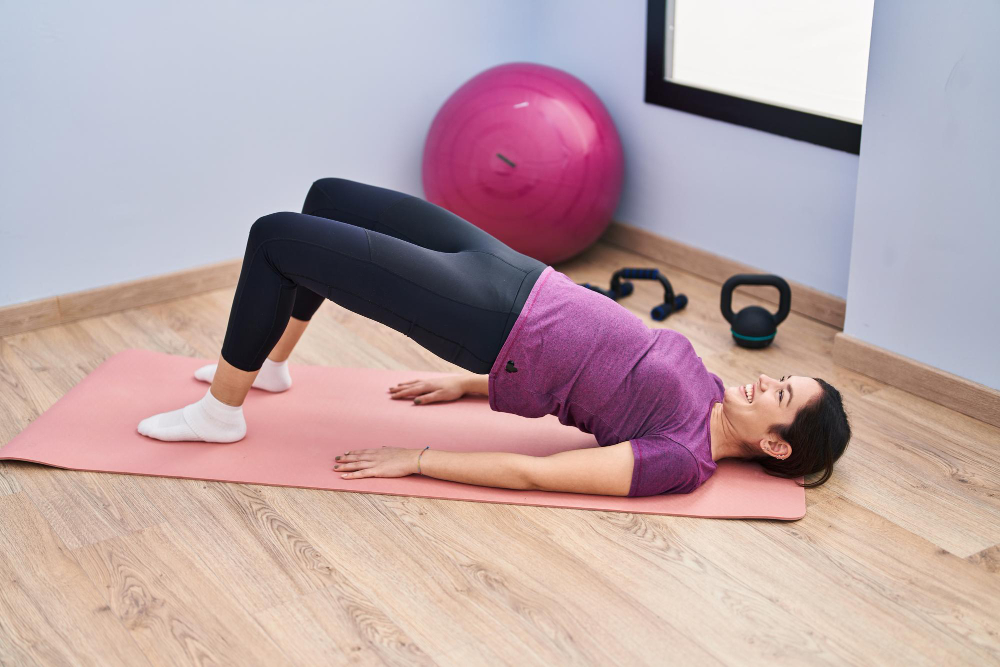
Pelvic floor physiotherapy is a special type of treatment that helps strengthen the muscles at the bottom of your pelvis. These muscles support your bladder, bowel, and, for women, the uterus. Because a strong pelvic floor is important for daily comfort and health, strengthening your pelvic floor with physiotherapy can make a big difference. In this guide, you will learn what the pelvic floor is, why it matters, and how physiotherapy can help you feel better.
What Is the Pelvic Floor?
First, let’s understand what the pelvic floor is. The pelvic floor is a group of muscles and tissues that stretch from the tailbone to the pubic bone. These muscles act like a hammock, holding up your organs. For example, they help control when you go to the bathroom. They also play a role in sexual health and support your lower back. Because these muscles work all day, keeping them strong is important for everyone.
Common Causes of Pelvic Floor Weakness
Many things can weaken your pelvic floor. For instance, pregnancy and childbirth often stretch these muscles. As people age, their muscles may lose strength. Being overweight puts extra pressure on the pelvic floor. In addition, heavy lifting or chronic coughing can strain these muscles. Sometimes, surgery in the pelvic area can also cause weakness. Knowing these causes helps you take steps to protect your pelvic health.
Signs and Symptoms of a Weak Pelvic Floor
It’s important to notice signs of a weak pelvic floor early. Some common symptoms include:
If you notice any of these signs, pelvic floor physiotherapy may help. Early action can prevent problems from getting worse.
How Physiotherapy Helps Strengthen the Pelvic Floor
Physiotherapy offers many benefits for pelvic floor health. A trained physiotherapist will first assess your muscles. Then, they will teach you the right exercises to target weak areas. Because every person is different, your plan will be tailored to your needs. In addition, physiotherapy can help you learn how to use your muscles correctly during daily activities. Over time, this can reduce symptoms and improve your quality of life. According to the World Health Organization, exercise-based rehabilitation is safe and effective for pelvic floor problems.
Key Physiotherapy Exercises for Pelvic Floor Strengthening
There are several simple exercises you can do to strengthen your pelvic floor. However, it’s best to learn these from a physiotherapist to make sure you do them right. Some common pelvic floor exercises include:
Because regular practice is key, try to set aside time each day for these exercises. Over time, you should notice better control and strength.
Lifestyle Tips for Maintaining Pelvic Floor Health
Besides exercises, healthy habits can protect your pelvic floor. For example, try these tips:
With these habits, you can support your pelvic health every day.
Prevention: How to Avoid Pelvic Floor Problems
Preventing pelvic floor problems is easier than you might think. First, start pelvic floor exercises early, even before symptoms appear. Next, practice good posture and avoid straining when using the bathroom. If you smoke, quitting can help reduce coughing and protect your muscles. Also, talk to your doctor about safe ways to stay active during pregnancy or after surgery. Because prevention is better than cure, these steps can help you stay healthy.
When to See a Physiotherapist
Sometimes, self-care is not enough. If you have ongoing symptoms like leaking urine, pain, or pelvic pressure, it’s time to see a physiotherapist. Early treatment can prevent problems from getting worse. In addition, a physiotherapist can teach you safe and effective exercises for your needs. Remember, you do not have to live with discomfort. Help is available, and many people see great results with pelvic floor physiotherapy.
In summary, strengthening your pelvic floor with physiotherapy can improve your comfort and health. For the best results, consult Dr. Ravali for personalized pelvic floor strengthening guidance.