What Is Scoliosis?
Scoliosis is a condition where the spine curves sideways. This curve can look like an “S” or a “C” shape. While some people have mild curves, others may notice more severe changes. Scoliosis can affect children, teens, and adults. Early detection is important because it helps guide treatment. For many, scoliosis management with physiotherapy offers a safe and effective way to improve daily life.
Common Symptoms and Causes of Scoliosis
Many people with scoliosis notice changes in their posture. For example, one shoulder may be higher than the other. Sometimes, the waist or hips look uneven. In some cases, back pain or tiredness can occur. However, mild scoliosis may not cause any symptoms at all.
There are several causes of scoliosis. Most often, the cause is unknown, which doctors call “idiopathic.” Sometimes, it runs in families. Other causes include birth defects, injuries, or certain diseases. According to the World Health Organization (WHO), early diagnosis helps prevent further problems.
How Physiotherapy Helps in Scoliosis Management
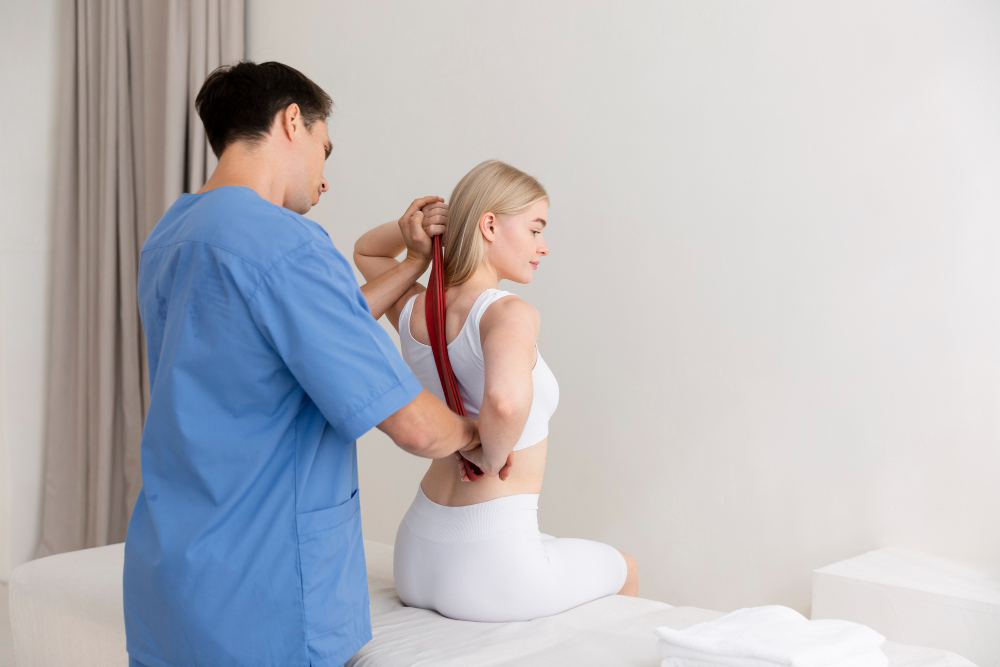
Physiotherapy is a key part of scoliosis care. It uses special exercises and stretches to help the spine. Because every person is different, physiotherapists create custom plans. These plans focus on improving posture, reducing pain, and making daily tasks easier. In addition, physiotherapy can slow the curve’s progress in many cases.
For children and adults alike, physiotherapy supports better movement. It also helps build strength in the back and core muscles. As a result, many people feel more confident and active.
Key Physiotherapy Techniques for Scoliosis
There are several proven techniques that physiotherapists use for scoliosis management. Each method aims to improve alignment and comfort. Here are some common approaches:
Because each person’s needs are unique, a physiotherapist will choose the best mix of techniques. Regular sessions and practice at home are important for the best results.
Benefits of Physiotherapy for Scoliosis Patients
Physiotherapy offers many benefits for people with scoliosis. Not only can it help reduce pain, but it also improves posture and movement. Here are some key benefits:
According to the Centers for Disease Control and Prevention (CDC), regular exercise and therapy can help manage many spine conditions. Therefore, starting physiotherapy early can make a big difference.
Tips for Maintaining Progress at Home
While regular visits to a physiotherapist are important, home care matters too. Here are some tips to help you stay on track:
With steady effort, you can see lasting improvements. If you notice new pain or changes, let your physiotherapist know right away.
Prevention and Lifestyle Guidance
Although not all cases of scoliosis can be prevented, healthy habits support spine health. For example, staying active and keeping a healthy weight can help. Here are some simple lifestyle tips:
Because early action is key, talk to your doctor if you notice any changes in your spine or posture. With the right care, you can manage scoliosis and enjoy an active life.
Consult Dr. Ravali for personalized scoliosis management advice.