
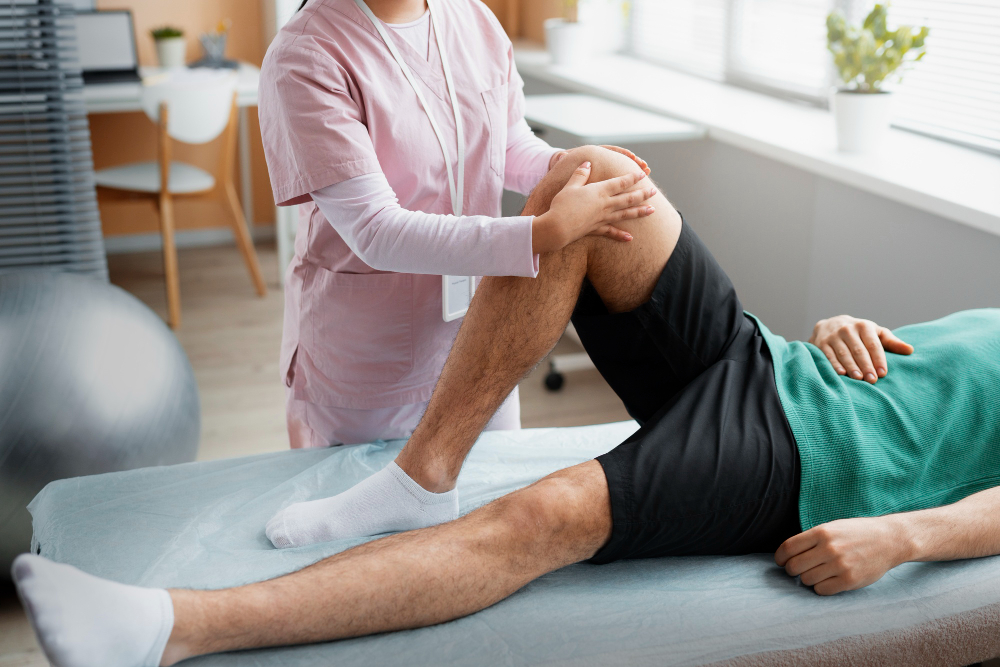
What is an ACL Injury?
The anterior cruciate ligament (ACL) is a strong band inside your knee. It helps keep your knee stable. However, an ACL injury happens when this ligament stretches or tears. Often, this occurs during sports or sudden movements. For example, jumping, twisting, or stopping quickly can cause an ACL injury. Many people feel pain right away. Because the ACL is important for knee movement, injuries can make walking or running hard.
Common Symptoms of ACL Injuries
Recognizing the signs of an ACL injury is important. Early care can help you recover faster. Common symptoms include:
Sometimes, you may also notice less movement in your knee. If you have these symptoms, seek help soon.
How ACL Injuries Are Diagnosed
Doctors use several steps to diagnose an ACL injury. First, they ask about your symptoms and how the injury happened. Next, they check your knee for swelling, pain, and movement. Often, doctors use special tests to see if your knee is stable. In many cases, they may order an MRI scan. This scan shows if the ACL is torn or stretched. X-rays can also help rule out broken bones. Early diagnosis helps you start the right treatment quickly.
The Role of Physiotherapy in ACL Injury Recovery
Physiotherapy for ACL injury is a key part of recovery. It helps you regain strength, movement, and balance in your knee. After an ACL injury, your knee may feel weak or stiff. With the right physiotherapy, you can return to daily activities safely. In some cases, physiotherapy may help you avoid surgery. Even after surgery, physiotherapy is important for full recovery. According to the CDC, early movement and guided exercises can speed up healing.
Key Physiotherapy Techniques and Exercises for ACL Rehabilitation
Physiotherapists use many techniques to help you recover. These may include:
For example, your physiotherapist may teach you heel slides, straight leg raises, or gentle squats. Always follow your therapist’s advice for best results.
Tips for Safe and Effective Recovery at Home
Recovering from an ACL injury takes time. However, you can support your healing at home with these tips:
Remember, rushing recovery can cause setbacks. Always listen to your body and your therapist.
Prevention Strategies for ACL Injuries
While not all ACL injuries can be prevented, you can lower your risk. Try these strategies:
For athletes, regular training with a coach or physiotherapist can help prevent injuries.
When to Consult a Physiotherapist
If you suspect an ACL injury, see a physiotherapist soon. Early treatment can improve your outcome. You should also consult a physiotherapist if:
Many physiotherapy clinics in your area offer personalized care. A qualified physiotherapist will create a plan just for you.
Conclusion
In summary, physiotherapy for ACL injury is vital for recovery. With the right care, you can regain strength and return to your normal life. Consult Dr. Ravali for personalized ACL injury rehabilitation guidance and support through every stage of recovery.