
What Is Geriatric Rehabilitation?
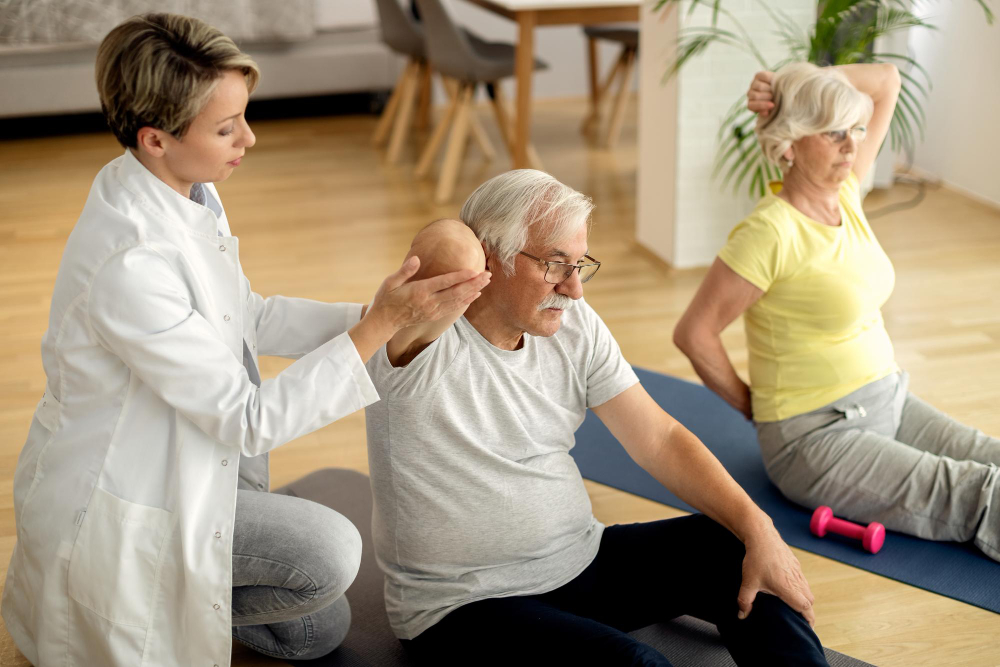
Geriatric rehabilitation is a special type of care for older adults. It helps seniors regain strength, balance, and movement after illness or injury. Often, geriatric rehabilitation uses physiotherapy and other therapies. The main goal is to improve senior mobility and help them live independently. According to the World Health Organization (WHO), this care can greatly improve quality of life for elderly people.
Common Symptoms and Challenges Faced by Seniors
Many seniors face challenges that affect their daily lives. For example, they may notice:
Because of these issues, seniors may feel less confident. Sometimes, they avoid activities they once enjoyed. However, with the right support, many can regain their abilities.
Causes and Risk Factors for Needing Geriatric Rehabilitation
Several reasons can lead seniors to need rehabilitation. Some common causes include:
Additionally, risk factors like aging, poor nutrition, and lack of exercise can make these problems worse. But early help can prevent further decline.
Diagnosis and Assessment Methods
Doctors and therapists use several tools to assess seniors. First, they review medical history and current symptoms. Next, they may perform physical tests to check strength, balance, and flexibility. Sometimes, they use special scales to measure how well a person can move or care for themselves. For example, the Barthel Index and Timed Up and Go Test are common tools. These assessments help create a personalized rehabilitation plan.
Evidence-Based Treatment Options
Geriatric rehabilitation uses proven methods to help seniors recover. Some key treatments include:
Moreover, therapists often teach seniors how to prevent falls and stay active. According to the CDC, regular physiotherapy can lower the risk of future injuries.
Lifestyle Guidance and Home-Based Exercises for Seniors
Even at home, seniors can take steps to stay mobile. For instance, simple exercises can help:
In addition, keeping the home safe is important. Remove loose rugs, use night lights, and keep walkways clear. Family members can also support seniors by encouraging regular movement and healthy eating.
Prevention Tips to Maintain Mobility and Independence
There are many ways to prevent mobility loss in seniors. Consider these tips:
Because prevention is key, starting healthy habits early can make a big difference.
Conclusion: Take the Next Step for Better Senior Health
In summary, geriatric rehabilitation can greatly improve mobility and quality of life for seniors. With the right care, many older adults can stay active and independent. If you or a loved one needs support, consult Dr. Ravali for personalized geriatric care and guidance.